Hyperspectral imaging is utilizing in several important areas in archaeology, assisting in non-invasive exploration of archeological sites and artifacts.
Using aerial hyperspectral imaging systems, such as the Specim AFX10 and Specim AFX17, archeologists can identify hidden archeological features through the detection of subtle variations in soil composition, vegetation stress or buried structures. Researchers can use this information to identify potential excavation sites and better understand landscape changes over long periods of history.
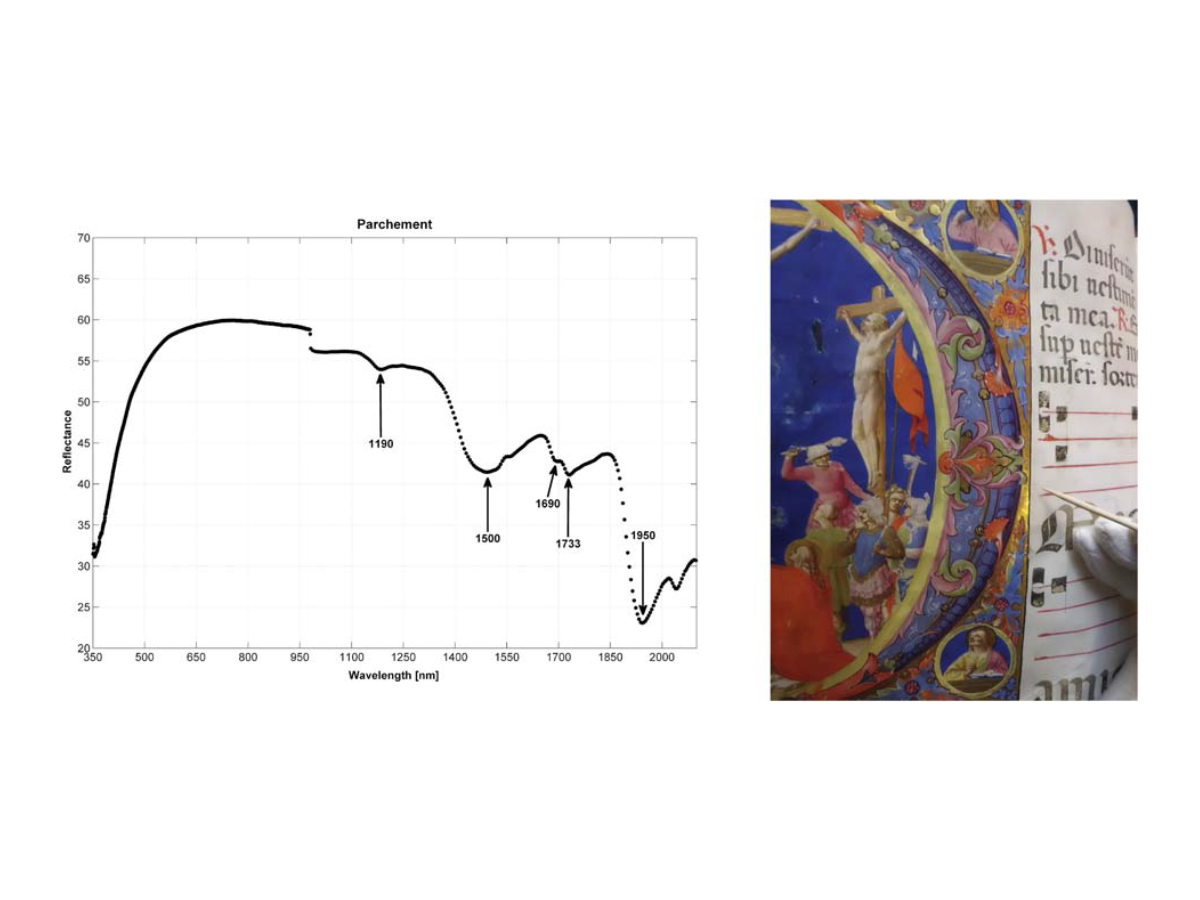
Hyperspectral imaging can assist archaeologists in analysis of ceramic, metal, textile and stone artifacts to determine mineralogical and chemical composition. This information supports provenance studies, trade-route reconstruction and insights into ancient manufacturing techniques.
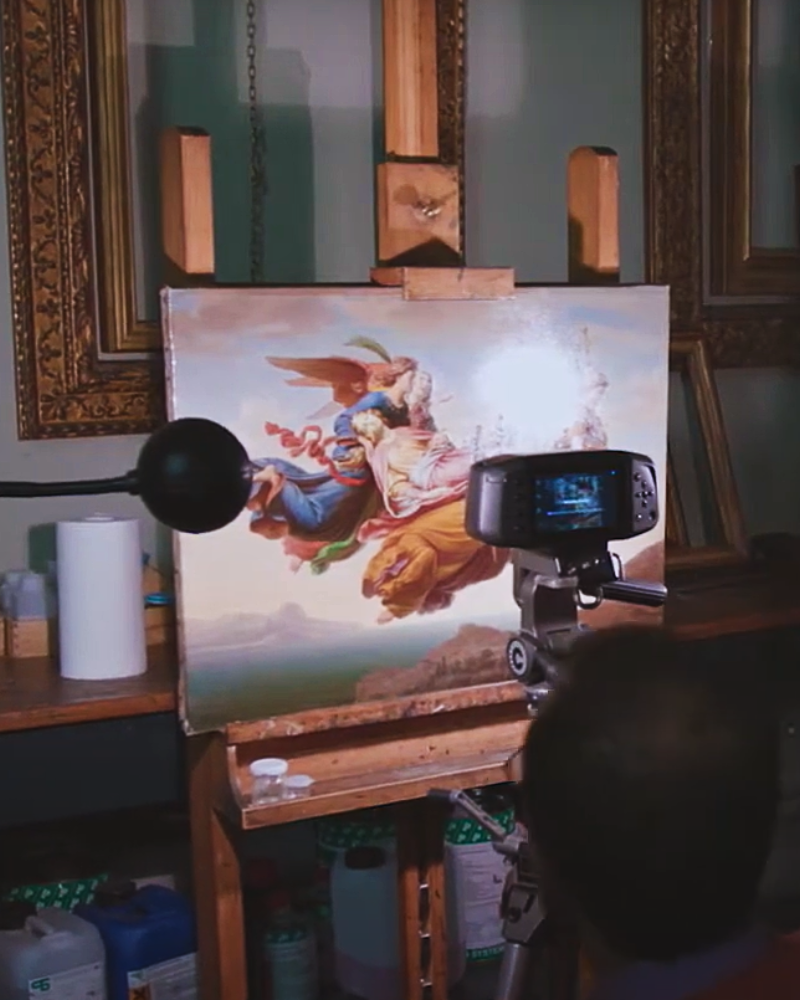
In the field, portable hyperspectral cameras such as the Specim IQ can help identify organic residues, pigments on artifacts and stratigraphic differences in soil layers. High-resolution spectral maps can also enhance documentation accuracy and create digital records that preserve contextual information long after excavation is complete.
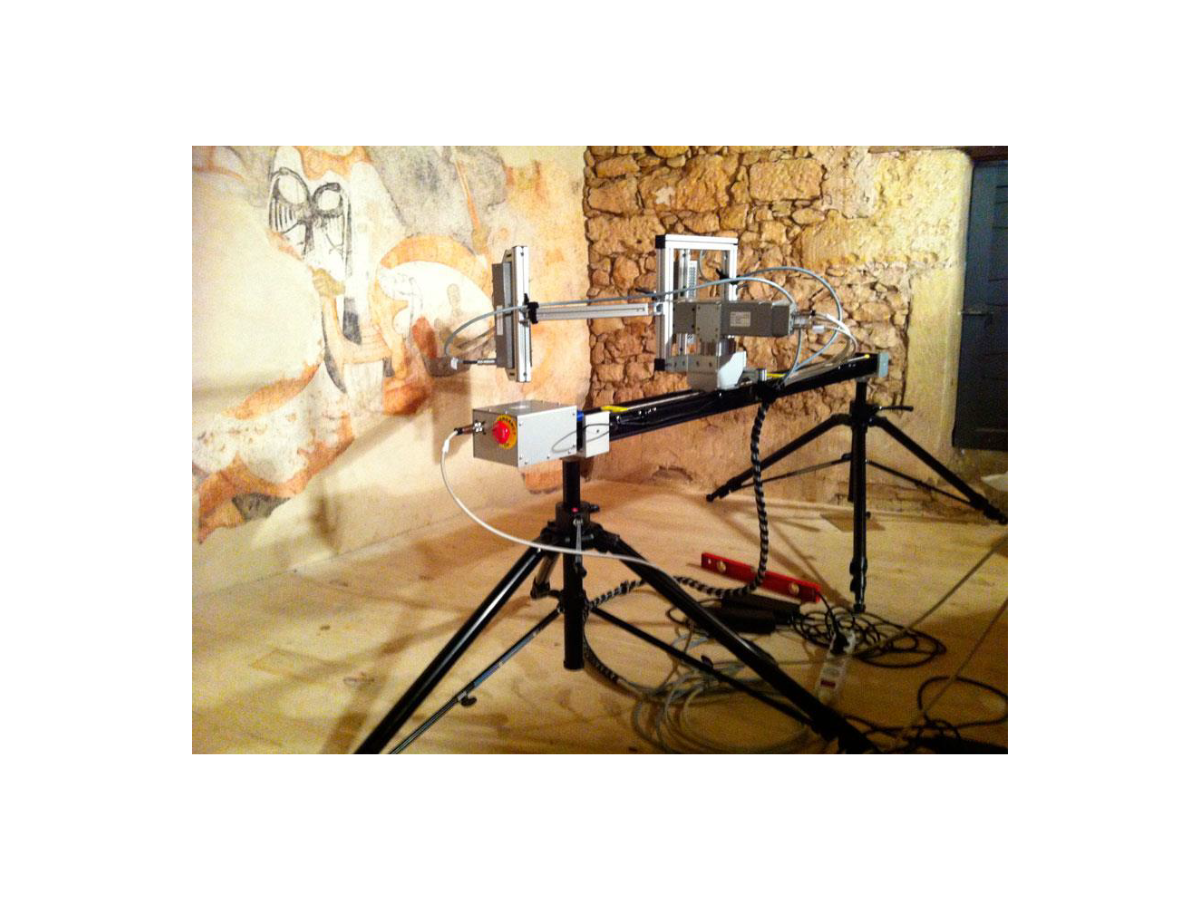
Video: Measuring Hossa Värikallio Rock Paintings with Specim FX10